Why Everyone Is Talking About 'Third Places'—and Where to Find Yours
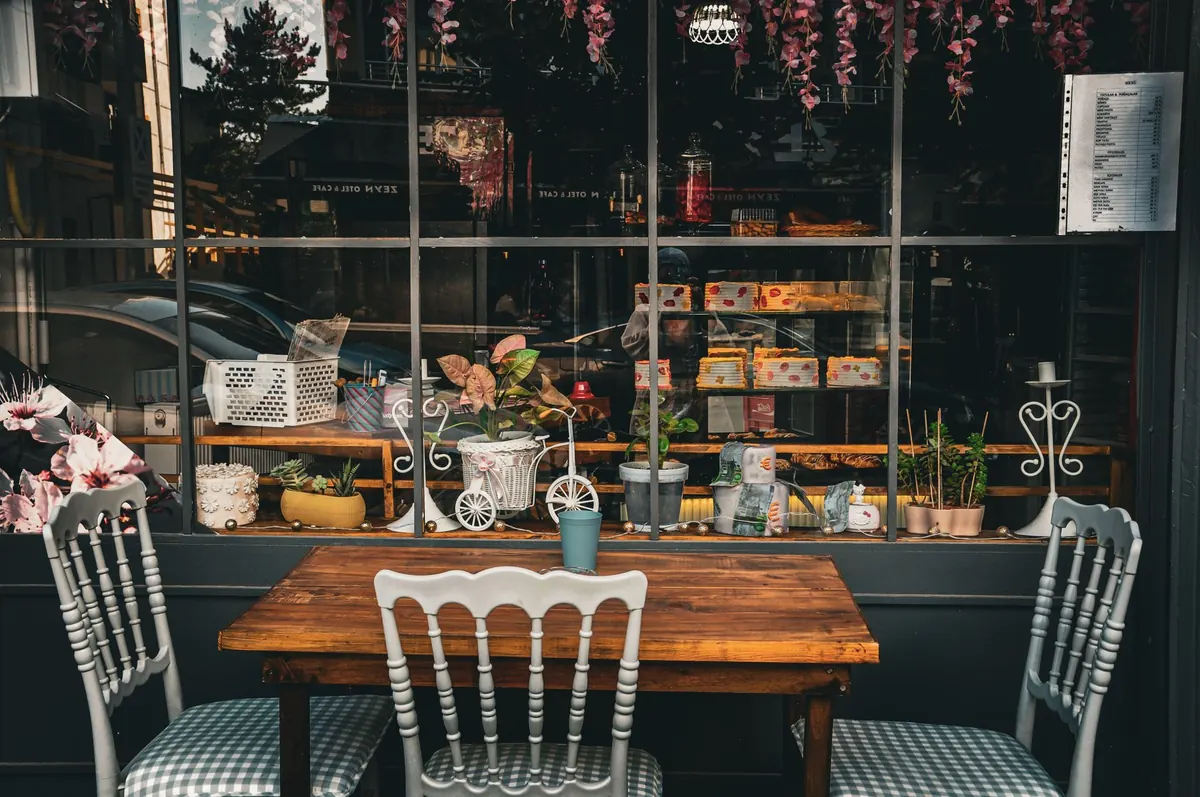
You have probably heard the phrase in the last few weeks — at a neighborhood meeting, in a group chat, from a friend who read one essay and now brings it up at dinner. Third places. It sounds like planning jargon, and technically it is. But the thing it describes is older than any of us.
The short version: your first place is home, your second is work or school, and a third place is everything else — the diner counter where the server knows your order, the library reading room, the bench where the same four dog owners turn up around six. It's somewhere you go to be around other people without being obligated to them.
That last part is why the idea has landed so hard. Most of us have plenty of contact and not much company. A third place offers the opposite: company you didn't schedule, with people you don't have to impress.
What Actually Counts as a Third Place
The term comes from sociologist Ray Oldenburg, who wrote about it in The Great Good Place in 1989. His definition is useful mostly because it rules things out. A restaurant you book for a birthday isn't a third place. Neither is a gym where you wear headphones and leave, even if you go four times a week.
What tends to be true instead:
- It's neutral ground. Nobody is hosting. You don't arrive with a gift or leave having paid for anyone.
- It's cheap or free to enter. A cup of coffee, a library card, a bench. When every visit costs real money, it becomes a treat instead of a habit.
- Regulars set the tone. People who show up most weeks are the ones who make a newcomer feel like a participant rather than an audience.
- Conversation is the activity, not a side effect. The talking is the point.
- It's repeatable. You can turn up on a Tuesday at seven and it works, no reservation required.
Notice what's absent: anything about looks. A beautiful place with no regulars is scenery. A plain place with regulars is community.
Why They Matter More Than They Seem To
Third places are where you build weak ties — the people you know a little. The neighbor who notices your car hasn't moved in three days. The barista who asks why you look tired. The guy at the dog park who mentions his shop is hiring.
These relationships are thin on purpose, which is exactly why they're easy to maintain. You don't owe anyone a casserole. But when enough of them stack up, a neighborhood starts to feel like somewhere you belong rather than somewhere you park.
Why They Got Harder to Find
Some of it is geography. Decades of zoning separated housing from everything else, so plenty of people live where you need a car to reach a bench. Drive-through suburbs have porches facing away from each other and no sidewalks connecting them.
Some of it is money. Public spaces thinned out as budgets tightened, and the private replacements — the gym, the coworking desk, the members-only club — charge by the month. A place you pay for is a place you evaluate. Is this still worth it? Should I cancel? That math doesn't hum along in the background the way a free bench does.
And some of it is us. We moved much of our social life onto screens, where contact is constant and presence is rare. Then a few years of staying home turned a temporary habit into a permanent one for people who never quite came back out.
Where to Look in Your Own Neighborhood
Stop hunting for a scene and start hunting for a seat. Third places are almost always modest.
The reliable standbys
Public libraries remain the best deal in town — free, open to everyone, and full of recurring events like book groups, chess nights and craft circles. Parks with benches and a predictable crowd. Community pools. Recreation centers. Places of worship, if you're comfortable there, often host open events that don't require membership. Volunteer shifts count too: a weekly two-hour slot at a food bank is a third place with a job attached.
The ones people forget
Counters are underrated. A diner stool at the same time every Saturday. The barber shop where the conversation outlasts the haircut. A bowling league. A hobby shop with a table in the back. Community gardens, tool libraries, model train clubs, board game nights at the local game store. Laundromats, oddly, work — forced waiting plus regulars equals conversation.
Ask one question of any candidate: could I come here twice a week for a year without going broke or feeling like a customer? If yes, it's a possibility.
If There Isn't One, Make the Smallest Version
You don't need to found an institution. You need a time, a place, and the willingness to be the person who shows up first.
- Pick a place you already like. A café with a big table, a park pavilion, a library room you can reserve for free.
- Pick a recurring hour. Tuesday evenings, Sunday mornings. Vague plans die; a standing time doesn't.
- Invite three people, expecting two to flake. Tell them to bring someone. A group of two is a fine start.
- Bring something to do. Cards, a puzzle, a walk. Activity gives quiet people somewhere to look.
- Keep going for six weeks. The first three are awkward. That isn't a sign it's failing.
- Don't quit when attendance dips. Two people at a table still counts, and word travels slowly.
How to Become a Regular Without Being Awkward
Show up at the same time. Sit in the same spot. Learn one name per visit and use it the next time. Ask questions with real answers — what's good here, how long have you been coming, did you see what happened on the corner. Tip well where tipping applies. Offer to help when help is obviously needed, and don't linger when the room empties.
Most of all, tolerate the middle stretch. The first few visits you're a stranger; the next few you're a familiar face; somewhere after that you're a regular. Nothing speeds that up except repetition.
Start This Week
Choose one place within a ten-minute walk or a short drive. Proximity beats charm, because you'll only go if it's easy. Block one hour, the same hour each week, and treat it like an appointment. Go at least three times before deciding whether you like it. Say something to one person each visit, even if it's only that the weather has finally turned.
If that place doesn't work, pick another. The goal isn't to find the perfect room. It's to become a person that some room expects to see.
Photo: Şengül Keleş / Pexels